

Fado and Samba: Musical Heritage of Portugal and Brazil
Music transcends borders, but few genres embody the soul of a nation like Fado in Portugal and Samba in Brazil. These two musical traditions, born from the Portuguese-speaking world, tell stories of love, loss, joy, and resilience, connecting two cultures separated by an ocean but united by language and emotion.
The Melancholy Soul of Fado
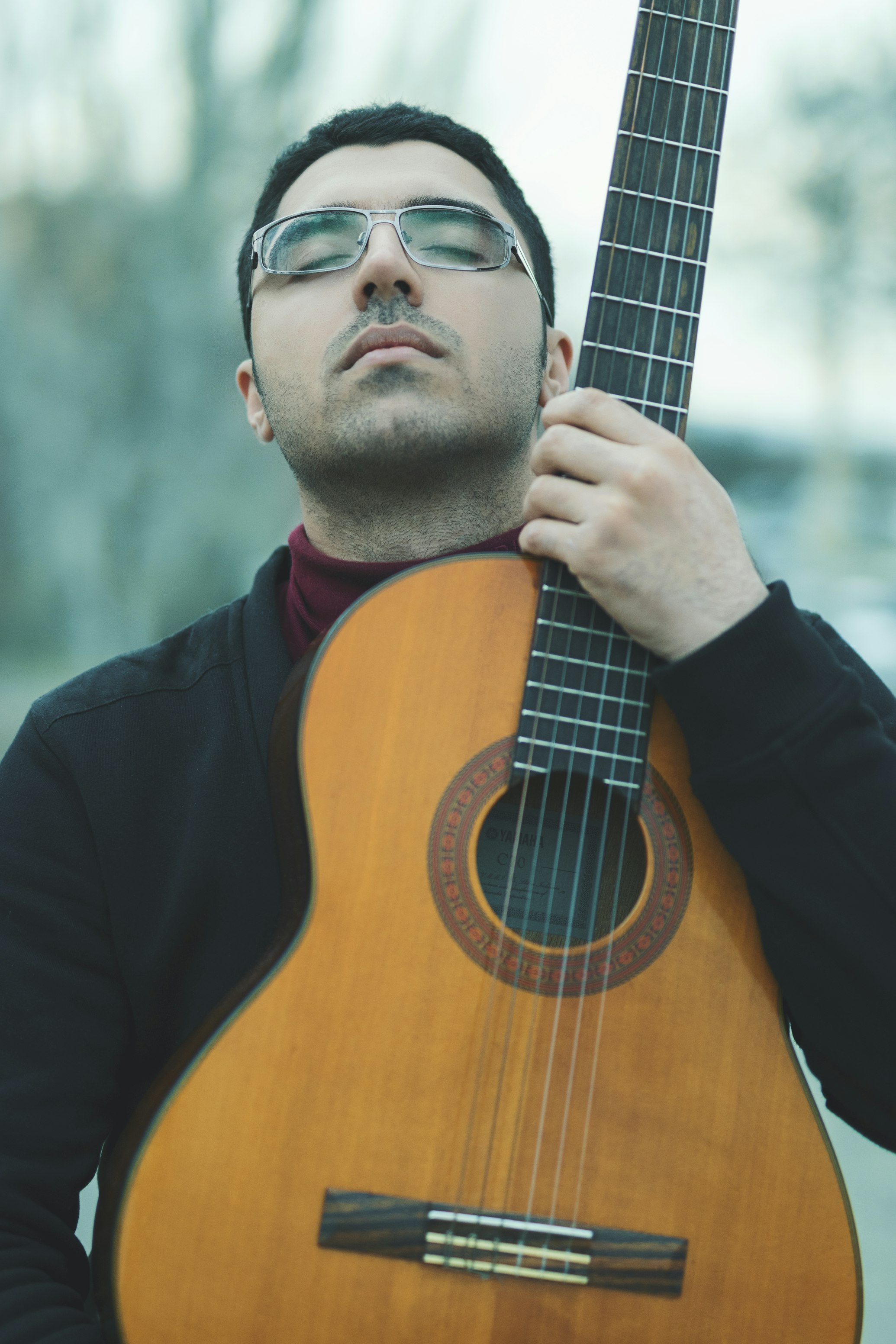
🎸 Origin: Born in Lisbon’s working-class neighborhoods in the 1820s
🎵 Instruments: Classical guitar and guitarra portuguesa (12-string Portuguese guitar)
💔 Theme: Saudade - a uniquely Portuguese concept of melancholic longing
Fado, meaning “fate” in Portuguese, emerged from the streets and taverns of Alfama, Lisbon’s oldest neighborhood. This haunting musical style expresses saudade - an untranslatable Portuguese word that captures deep emotional longing, nostalgia, and bittersweet melancholy.
The traditional Fado performance involves three elements: the fadista (singer), usually dressed in black, accompanied by a classical Spanish guitar (viola) and the distinctly Portuguese 12-string guitarra portuguesa. The lyrics often speak of lost love, destiny, the sea, and the hardships of life.
The Three Types of Fado:
- Fado de Coimbra: Academic tradition from the university city
- Fado de Lisboa: The urban, tavern-born style
- Fado Menor/Maior: Different musical scales creating varied emotional tones
The Rhythmic Joy of Samba
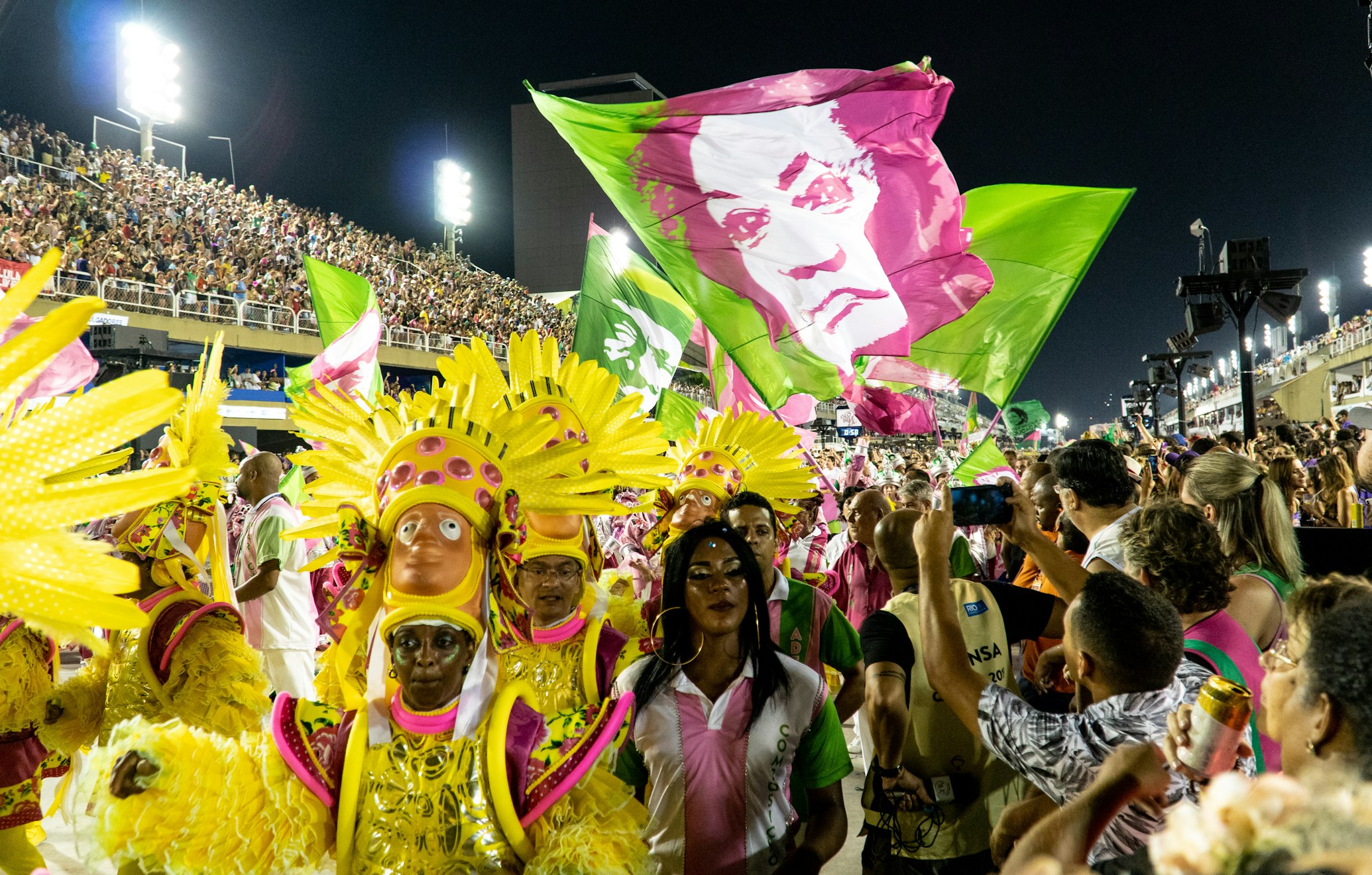
🥁 Origin: Born in Rio de Janeiro’s favelas in the late 19th century
🎶 Instruments: Surdo, pandeiro, cuíca, tamborim, and cavaquinho
🎉 Theme: Celebration of life, rhythm, and community spirit
Samba represents the polar opposite of Fado’s melancholy. Born from the fusion of African rhythms brought by enslaved people, Portuguese melodies, and indigenous influences, Samba became the soundtrack of Brazilian joy and resilience.
This infectious rhythm emerged in Rio’s working-class neighborhoods, particularly in the favelas, where Afro-Brazilian communities created a musical language that celebrated life despite hardship. Samba is not just music; it’s a cultural movement that encompasses dance, poetry, and social commentary.
Samba Variations:
- Samba de Roda: The original communal circle dance from Bahia
- Samba-Enredo: The narrative songs of Carnival parades
- Samba-Canção: The slower, romantic style popular in the 1930s-40s
- Pagode: The modern, intimate style played in backyards and bars
The Cultural Bridge: Shared Portuguese Roots
Despite their contrasting emotions, Fado and Samba share profound connections rooted in Portuguese colonial history and the African diaspora:
🌊 Maritime Influence
Both genres reference the sea - Fado speaks of sailors’ wives waiting by the harbor, while early Samba songs told stories of those who crossed the Atlantic, whether by choice or by force.
📖 Storytelling Tradition
Both are narrative traditions that tell stories of common people. Fado speaks to the individual’s relationship with fate, while Samba chronicles community experiences and social realities.
🎭 Improvisation Culture
Both traditions embrace spontaneous creation - Fado singers often improvise verses, and Samba has a rich tradition of improvised lyrics called partido-alto.
Modern Evolution and Global Recognition
Fado’s Renaissance:
- 2011: UNESCO recognized Fado as Intangible Cultural Heritage
- Modern Fadistas: Artists like Mariza, Ana Moura, and Carminho brought Fado to world stages
- Contemporary Themes: Modern Fado addresses urban life, immigration, and global issues while maintaining its emotional core
Samba’s Global Expansion:
- 1950s-60s: Bossa Nova transformed Samba for international audiences
- Carnival Export: Rio’s Carnival became a global festival model
- World Music Fusion: Contemporary artists blend Samba with jazz, electronic music, and world music genres
Experiencing Both Traditions Today
🇵🇹 Where to Experience Authentic Fado:
- Lisbon: Sr. Fado, Clube de Fado, Mesa de Frades
- Coimbra: À Capella, Fado ao Centro
- Porto: Fado in Porto, Plano B
🇧🇷 Where to Feel Samba’s Pulse:
- Rio de Janeiro: Feira de São Cristóvão, Casa da Matriz
- São Paulo: Vila Madalena samba bars
- Bahia: Pelourinho’s traditional roda de samba
The Philosophy Behind the Music

Fado’s Philosophy:
Fado teaches us to embrace melancholy as part of the human experience. It suggests that sadness and beauty are intertwined, and that accepting life’s sorrows can lead to profound emotional depth and wisdom.
Samba’s Philosophy:
Samba demonstrates that joy can emerge from struggle. Born from communities facing extreme adversity, it shows how rhythm and community can transform suffering into celebration, creating resilience through collective joy.
Cultural Exchange and Modern Collaborations
The relationship between Portugal and Brazil continues to evolve through musical collaboration:
- Festival exchanges: Portuguese festivals regularly feature Brazilian artists and vice versa
- Cross-cultural albums: Modern artists create fusion works combining Fado’s intimacy with Samba’s rhythm
- Cultural diplomacy: Both genres serve as cultural ambassadors, strengthening Portugal-Brazil relations
Learning and Preserving the Traditions
🎓 Studying Fado:
- Take guitarra portuguesa lessons
- Visit the Fado Museum in Lisbon
- Attend amateur Fado nights at local tascas
🥁 Learning Samba:
- Join a batucada (percussion group)
- Take samba dance classes
- Participate in community roda de samba sessions
Conclusion: Two Hearts, One Language
Fado and Samba represent two sides of the Portuguese-speaking soul. While Fado explores the depths of individual melancholy and acceptance of fate, Samba celebrates collective joy and resilience in the face of adversity. Together, they create a complete emotional spectrum that reflects the human experience.
Both traditions remind us that music is more than entertainment - it’s a way of understanding life, processing emotions, and connecting with our cultural identity. Whether you find yourself moved by Fado’s haunting melodies in a dimly lit Lisbon tavern or swept away by Samba’s infectious rhythms during Rio’s Carnival, you’re experiencing centuries of cultural expression that continues to evolve while honoring its roots.
These musical traditions prove that the bonds between Portugal and Brazil extend far beyond colonial history - they represent a living, breathing cultural exchange that enriches both nations and offers the world two unique windows into the Portuguese-speaking soul.
Experience both, and discover the full emotional range of Lusophone culture. 🎵🌊